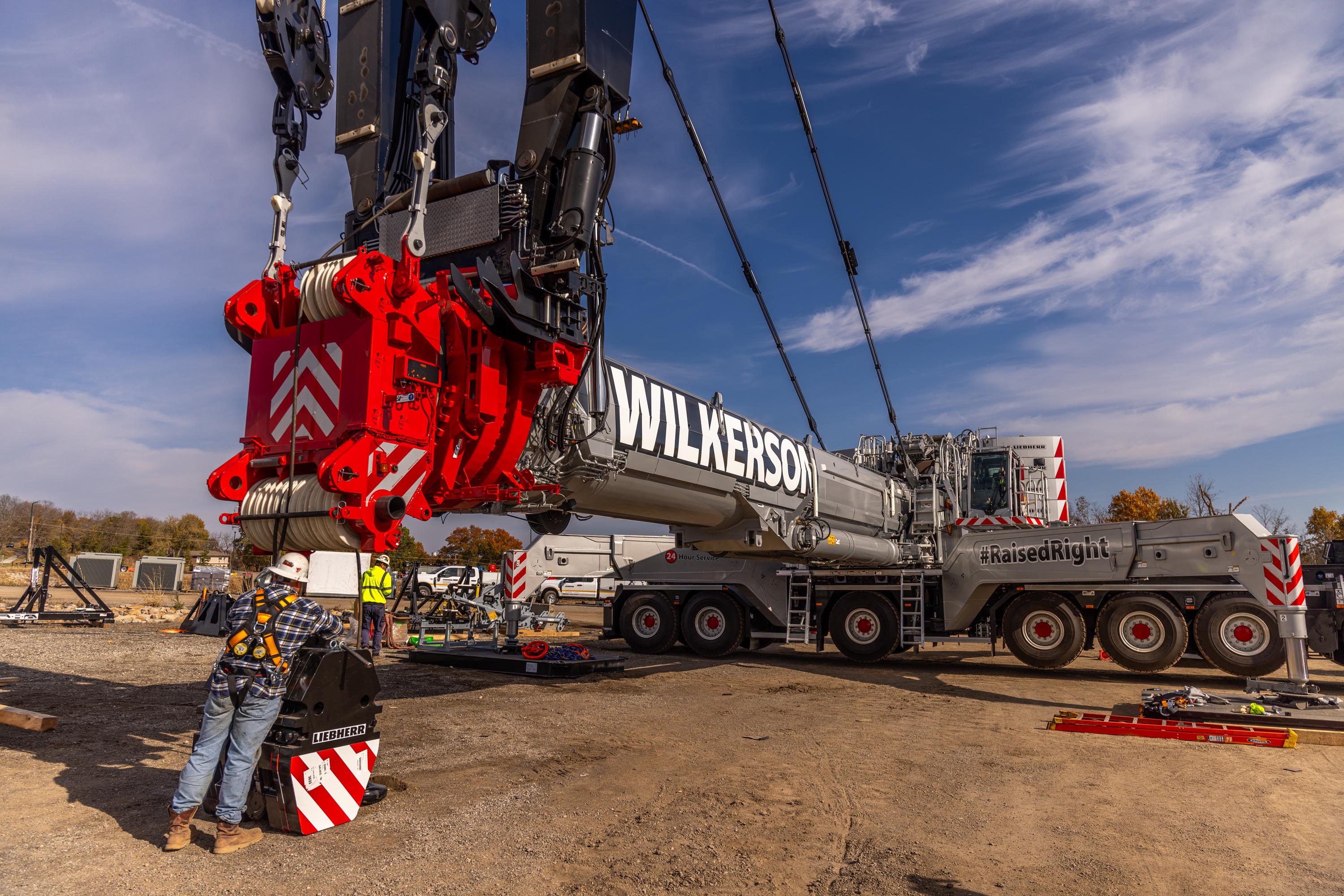
Crane and heavy haul projects depend on dozens of details coming together at the right time. Permits need to be approved, routes need to be accessible, ground conditions need to support the equipment, and the right cranes, transport equipment and crews need to be available when the project is ready to move.
When one of those pieces is overlooked or handled too late, the entire schedule can be affected, and a single day of stalled crane time or delayed transport can mean thousands of dollars in idle equipment, crew fees and rescheduled downstream work.
The good news is that many project delays are preventable. Careful planning and early coordination can help identify potential issues before they affect the jobsite. Here are five common mistakes that can put crane and heavy haul projects behind schedule, along with ways to avoid them.
1. Waiting Too Long to Get the Right Equipment
Cranes, transport equipment and specialized crews are finite resources, and the equipment best suited for a particular project may need to be reserved well in advance. Waiting until a project is ready to begin before contacting a crane or heavy haul provider can leave you working with whatever equipment happens to be available rather than what is best suited to the job.
Late scheduling can also compress the time available for permitting, route planning, site preparation and other pre-project requirements. When those steps are rushed, the likelihood of delays increases.
How to avoid it:
- Bring your crane or heavy haul partner into the conversation as soon as the project scope begins to take shape, even before every detail is finalized.
- Ask early about equipment availability for your project window, especially for specialized or high-demand equipment.
- Use early conversations to surface permitting needs and access issues while there's still time to address them.
2. Choosing Equipment Without the Full Picture
Selecting equipment that is undersized for the job can make a planned lift or haul infeasible and require a different setup. Choosing equipment that is larger than necessary can increase costs and create access or setup challenges. In either case, an equipment mismatch can lead to delays once the project is underway.
Equipment selection often depends on more than the weight of the load. For crane projects, factors such as dimensions, center of gravity, lift radius, rigging points and site access can affect crane selection. For heavy haul projects, load dimensions, weight distribution, route conditions, turning requirements and trailer configuration can all influence the right transportation setup.
How to avoid it:
- Provide complete, accurate load information as early as possible, including weight, dimensions, center of gravity and rigging points.
- Flag anything unusual about the load, such as an irregular shape, fragile components or non-standard rigging points.
- Let your provider run lift or haul calculations against the actual numbers, not estimates, before equipment is booked.
3. Discovering Site Obstacles on Mobilization Day
A crane or heavy haul crew that arrives to find an unexpected overhead line, a gate that is too narrow, a restricted access point or an occupied setup area can lose valuable time before work even begins.
Incomplete site information is one of the more avoidable causes of project delays. Access and setup requirements should be considered before equipment is mobilized, not after it arrives.
How to avoid it:
- Share access routes, overhead and underground utilities, nearby structures, and setup and laydown areas ahead of time.
- Note any site-specific restrictions on hours, noise or access.
- Consider road conditions, turning areas and other access limitations that could affect large equipment.
- For complex, congested or unfamiliar sites, ask your provider whether an advance site visit is appropriate.
4. Finding Out the Ground Isn't Ready
Ground conditions aren't always obvious, but they can have a major impact on crane setup and safe equipment operation. Soft or unstable soil, recent excavation, slopes and drainage issues can all create challenges for equipment that requires a stable working surface. Underground utilities can also affect where equipment can be positioned and what ground-support measures may be appropriate.
Discovering a ground issue after a crane arrives can bring work to a stop while the team arranges additional preparation, such as mats, plates or other ground-support measures. That can quickly turn a site-preparation issue into a scheduling problem.
How to avoid it:
- Evaluate soil conditions, slopes, drainage and recent excavation or grading before mobilization.
- Identify ground preparation or support equipment needs, such as matting or plating, in advance so they can be coordinated ahead of arrival.
- Ask your provider whether a ground-bearing assessment is warranted for your specific site.
5. Assuming Permits Will Be Quick and Easy
Heavy haul routes, oversize and overweight loads and certain crane operations may require permits from state, county or municipal authorities. Depending on the project, a single route may involve multiple jurisdictions, each with its own requirements and timelines.
Permitting can also affect route selection. Restrictions related to bridges, roadways, construction zones, travel times or load dimensions may require changes to the planned route. Waiting too long to address those requirements can leave little room to adjust the schedule.
How to avoid it:
- Start the permitting process as early as load and route information allow.
- Build permit lead times into the master project schedule instead of assuming they'll resolve in parallel with other project requirements.
- Work with a provider experienced in multi-jurisdiction permit coordination to identify route restrictions early.
Plan Early, Share Information and Coordinate
Project delays don't always come from one major failure. Often, they start with a detail that wasn't identified or communicated early enough. Equipment needs, load data, site conditions, ground support and permits all need lead time.
The earlier those requirements are addressed, the more time the project team has to identify potential problems, make adjustments and keep the work moving.
At Wilkerson Crane, we work with project teams to coordinate crane and heavy haul requirements from the planning stage through mobilization and execution.
Planning a crane or heavy haul project? Contact Wilkerson Crane early to discuss your equipment, site and transportation requirements and identify potential challenges before they affect the schedule.
Related Articles
More field notes and lift breakdowns from the Wilkerson crew.
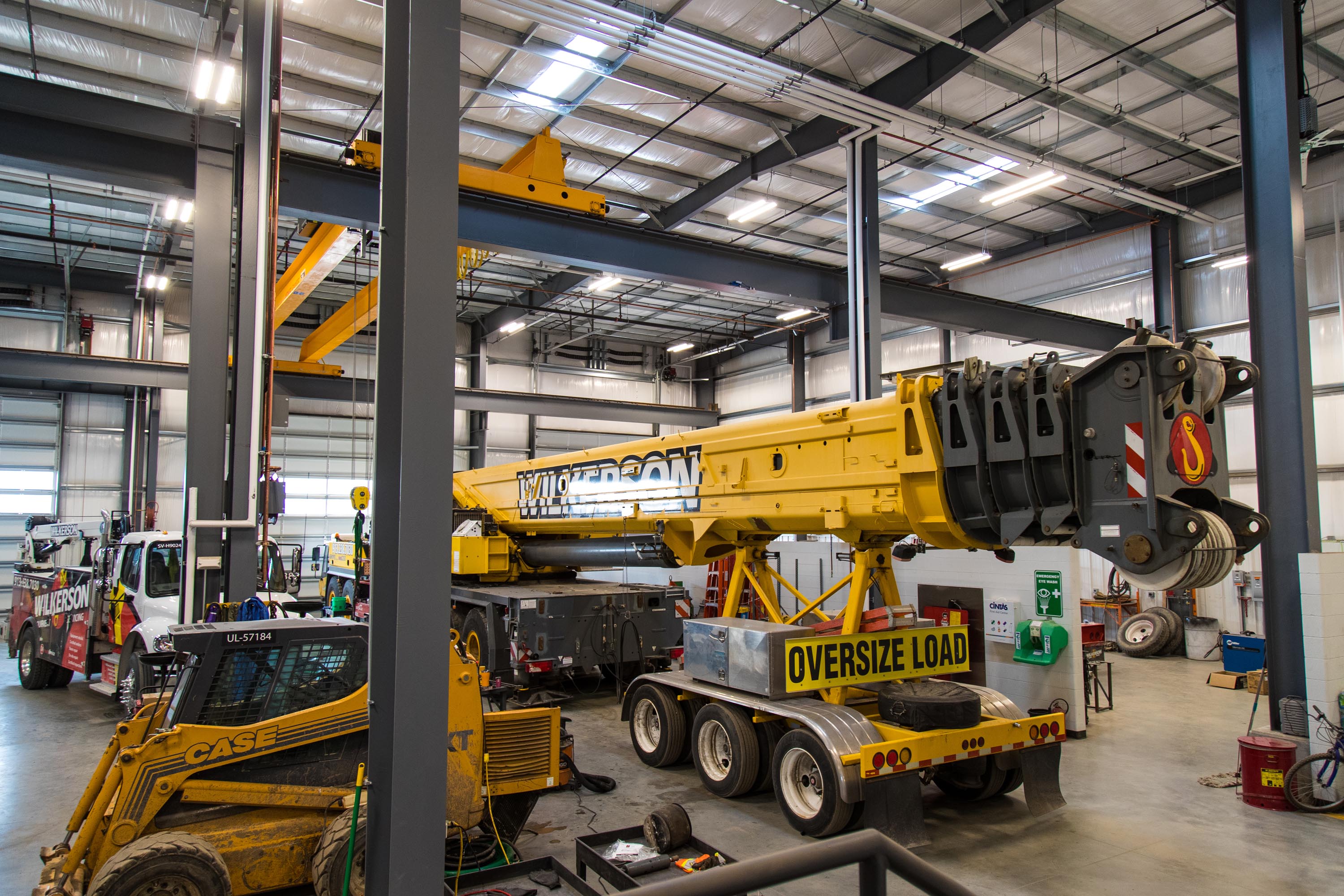
Crawler Crane vs. All-Terrain Crane: Choosing the Right Equipment for Your Jobsite
How mobility, capacity, and ground conditions decide the pick.
Related Projects
Recent lifts where this equipment did the work.

Walmart Distribution Center
Wilkerson Crane supported facility upgrades with precision lifts at Walmart’s distribution center using the agile, high-reach Liebherr MK 140-5.1.

Cardinal Glass
Wilkerson Crane supported a critical industrial lift in Spring Hill, delivering expert precision, efficiency, and unmatched crane expertise.